

You’ve just launched what you believe is your best marketing campaign yet. The creative is stunning, the messaging is on point, and your team is buzzing with excitement. But three weeks later, you’re staring at a dashboard full of metrics wondering one critical question: is this actually working? If you can’t definitively answer whether your marketing campaigns are driving real business results, you’re not alone—and you’re potentially wasting thousands of dollars every month.
Why Most Businesses Struggle with Campaign Measurement
The harsh reality is that 73% of marketing executives admit they can’t prove the ROI of their marketing efforts. This isn’t because marketers lack intelligence or dedication—it’s because measuring marketing campaign effectiveness has become increasingly complex in our multi-channel, multi-device world. Customers might see your Facebook ad, visit your website from their phone, research on their laptop, and finally purchase in-store weeks later. Traditional attribution models simply can’t capture this journey accurately.
The problem is compounded by the sheer volume of available metrics. Impressions, clicks, engagement rates, cost per acquisition, lifetime value—the list goes on. Many businesses fall into the trap of measuring everything but understanding nothing, creating beautiful reports that tell impressive stories but don’t actually inform strategic decisions.
The Foundation: Setting Clear, Measurable Objectives
Before diving into analytics platforms and attribution models, successful campaign measurement starts with crystal-clear objectives. Vague goals like “increase brand awareness” or “drive more traffic” are measurement killers. Instead, effective objectives follow the SMART framework and tie directly to business outcomes.
For example, rather than aiming to “increase social media engagement,” a measurable objective might be “increase qualified leads from social media by 25% within the next quarter, resulting in at least 15 new customers with an average order value of $500.” This specificity makes it immediately clear what success looks like and which metrics actually matter.
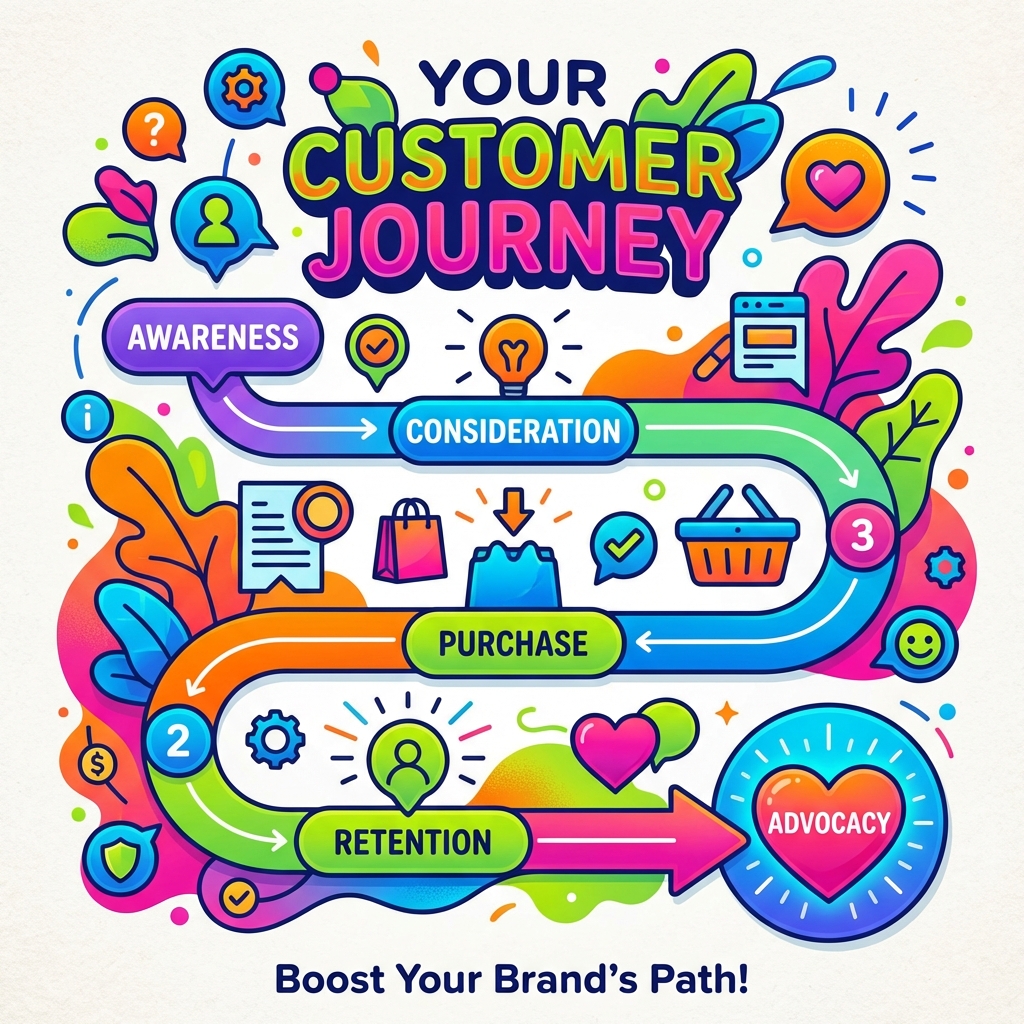
Consider categorizing your objectives into three buckets: awareness metrics (reach, impressions, brand mention sentiment), consideration metrics (website visits, content downloads, email signups), and conversion metrics (leads generated, sales closed, customer acquisition cost). This framework ensures you’re measuring the full funnel, not just the bottom-line results.
Essential Metrics That Actually Matter
While the specific metrics you track will depend on your business model and campaign objectives, certain measurements consistently provide actionable insights across industries. Customer Acquisition Cost (CAC) tells you exactly how much you’re spending to gain each new customer, while Customer Lifetime Value (CLV) reveals whether those customers are worth the investment long-term.
Return on Ad Spend (ROAS) provides immediate feedback on campaign performance, but don’t stop there. Look at the quality of traffic and conversions, not just quantity. A campaign with a lower click-through rate but higher conversion rate often delivers better results than one that generates massive traffic but few sales.
Attribution metrics deserve special attention in today’s complex buyer journey. First-click attribution shows which channels are best at generating initial awareness, while last-click attribution reveals which channels are most effective at closing deals. Multi-touch attribution, though more complex to implement, provides the most complete picture by assigning value to every touchpoint in the customer journey.
Tools and Technologies for Accurate Measurement
The right measurement tools can make the difference between guessing and knowing. Google Analytics 4 offers robust tracking capabilities and is free, making it an excellent starting point for most businesses. However, GA4’s learning curve is steep, and many businesses benefit from supplementing it with specialized tools.
Customer Relationship Management (CRM) systems like HubSpot or Salesforce provide crucial insights into how marketing activities translate into actual sales. When properly integrated with your marketing platforms, these systems can track a lead from first touch through final purchase, providing the attribution clarity most businesses desperately need.
For businesses running paid advertising, platform-specific analytics (Facebook Ads Manager, Google Ads, LinkedIn Campaign Manager) offer detailed performance insights. However, relying solely on platform data can create a skewed picture, as each platform tends to over-attribute success to itself. Third-party attribution tools like Triple Whale or Northbeam provide more objective, cross-platform analysis.
Creating a Measurement Framework That Drives Decisions
Effective measurement isn’t just about collecting data—it’s about creating a framework that drives better decisions. Start by establishing regular reporting cadences that match your business rhythm. Daily monitoring for active campaigns, weekly performance reviews, and monthly strategic assessments create a balanced approach that catches issues early while maintaining strategic perspective.
Build dashboards that tell a story, not just display numbers. Your executive dashboard should answer key questions at a glance: Are we on track to hit our goals? Which campaigns are performing above or below expectations? Where should we reallocate budget for maximum impact? Operational dashboards can include more detailed metrics for day-to-day optimization.
Most importantly, establish clear protocols for acting on your measurement insights. If a campaign’s cost per acquisition exceeds your threshold, what specific steps will you take? If one channel consistently outperforms others, how quickly can you shift budget to capitalize on that success? Measurement without action is just expensive data collection.
Turning Insights into Optimization
The true value of measuring marketing campaign effectiveness lies in the optimization opportunities it reveals. Successful businesses use measurement data to continuously refine their approach, testing new audiences, adjusting creative elements, and reallocating budgets based on performance data.
A/B testing should be built into your measurement framework from the start. Test different headlines, images, calls-to-action, and landing pages to understand what resonates with your audience. But remember that statistical significance matters—running tests for too short a period or with too small a sample size leads to false conclusions that can actually hurt performance.
Regular campaign post-mortems, whether for successful or unsuccessful efforts, create institutional knowledge that improves future performance. What worked? What didn’t? What external factors influenced results? These insights become the foundation for more effective future campaigns.
The businesses that master marketing campaign effectiveness measurement don’t just track metrics—they build a culture of continuous improvement where data drives decisions, hypotheses are tested rigorously, and every campaign becomes a learning opportunity. In today’s competitive landscape, this systematic approach to measurement and optimization isn’t just helpful—it’s essential for sustainable growth.